Salzburg's protected centre sits on both banks of the Salzach, while the half-days out to the Berchtesgaden salt mine, the Bavarian mountains and the lake district each follow their own opening season. This page sets out what is running on your dates, where every tour starts and which one suits the time you have.
Guided tours of Salzburg and its lakes, mines and film locations
From a 1.5-hour walk through the old town to full days out in the Bavarian salt mines and the Sound of Music locations, every tour on this site runs with a live guide in English.
Salzburg's centre is compact and layered, and almost everything worth a half-day sits outside it. Opening seasons, more than weather, decide what you can get into.
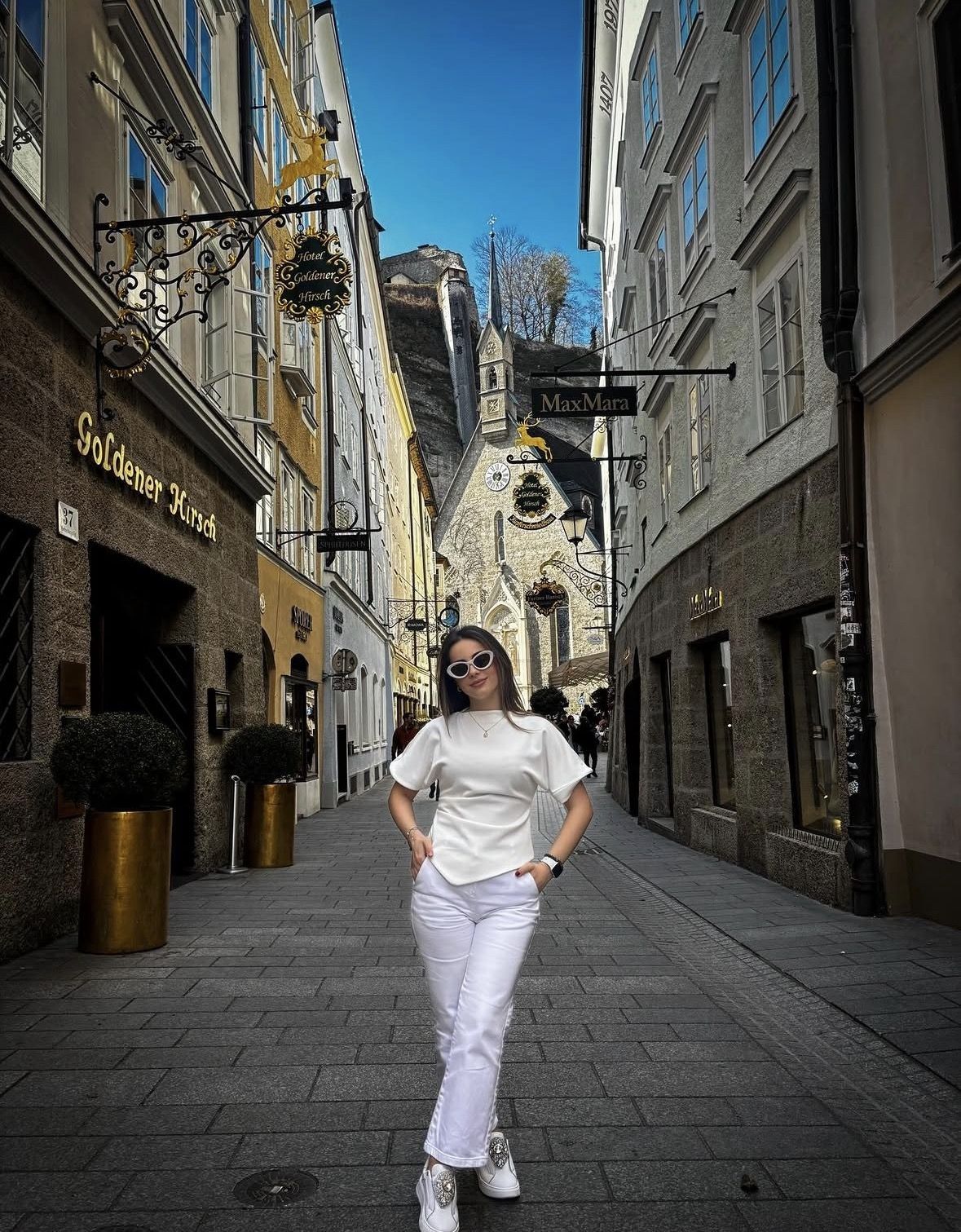
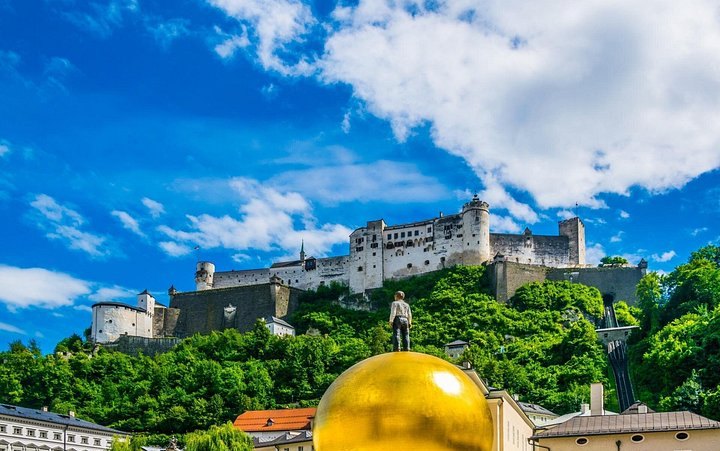
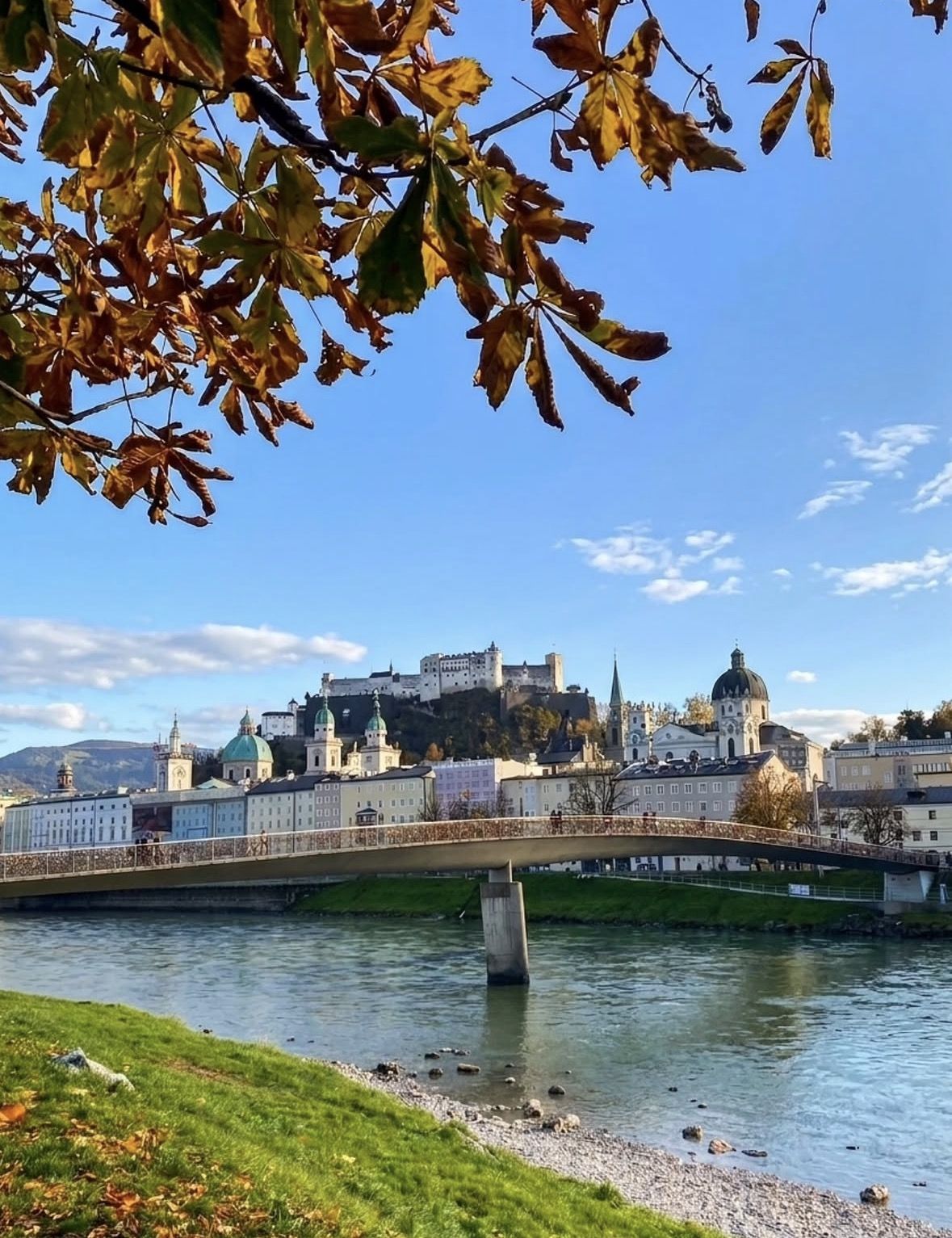
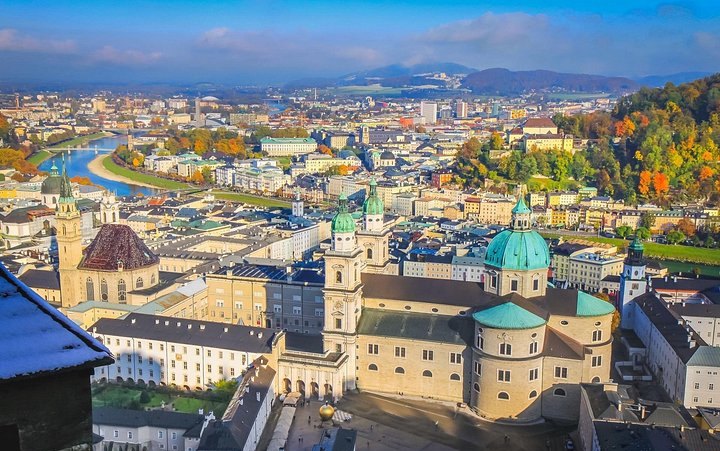
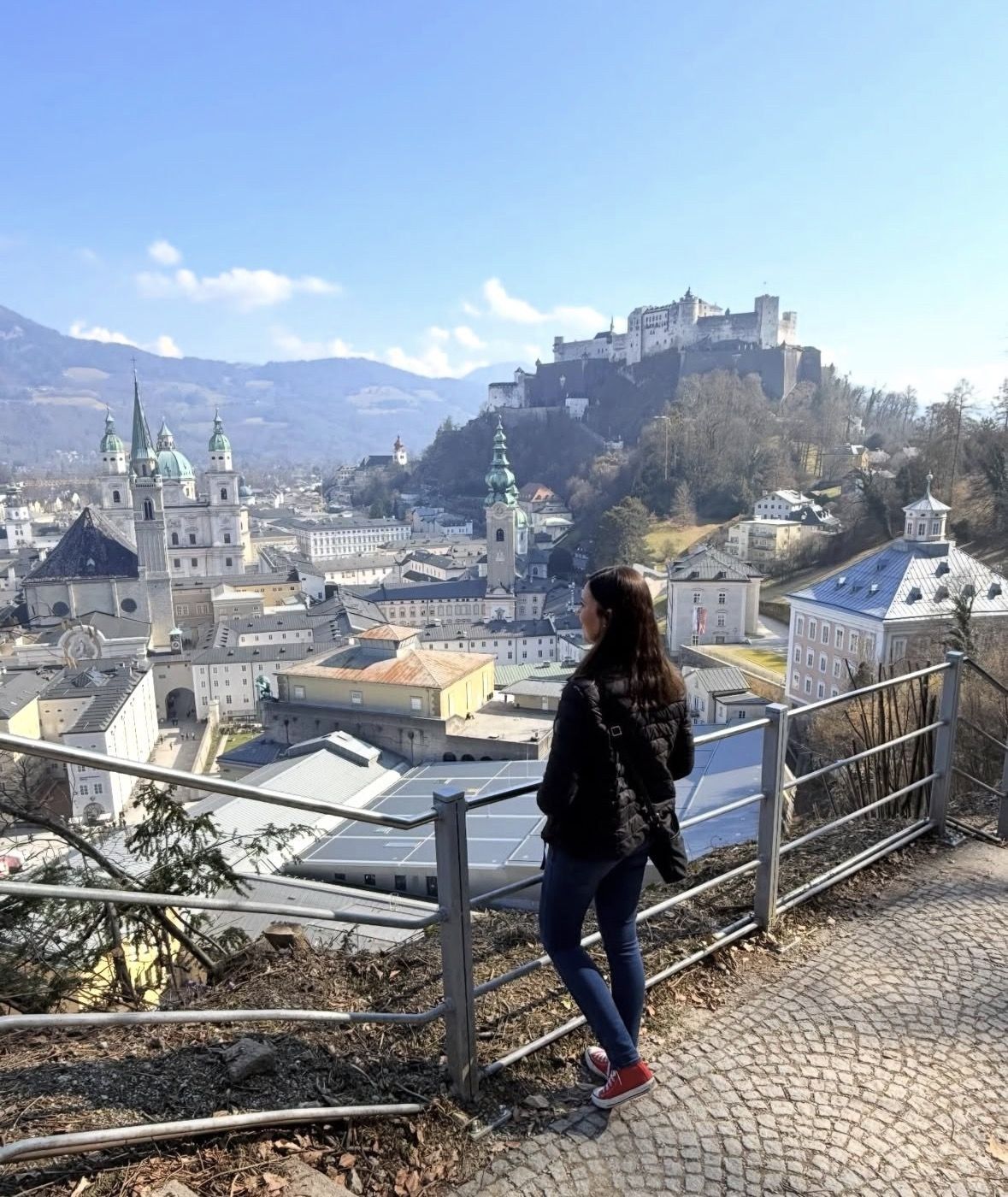
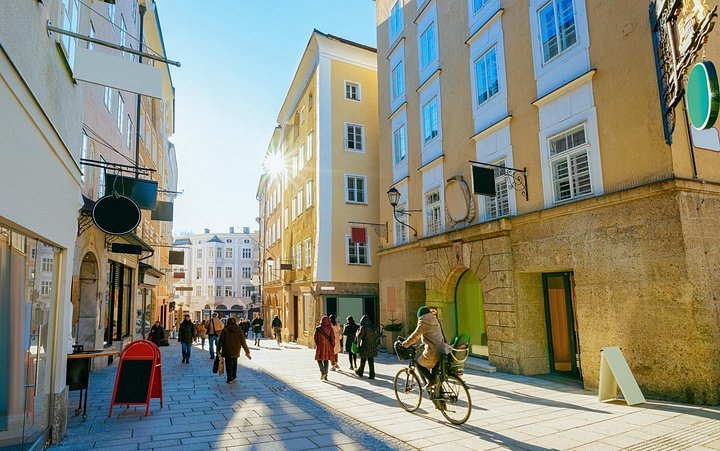
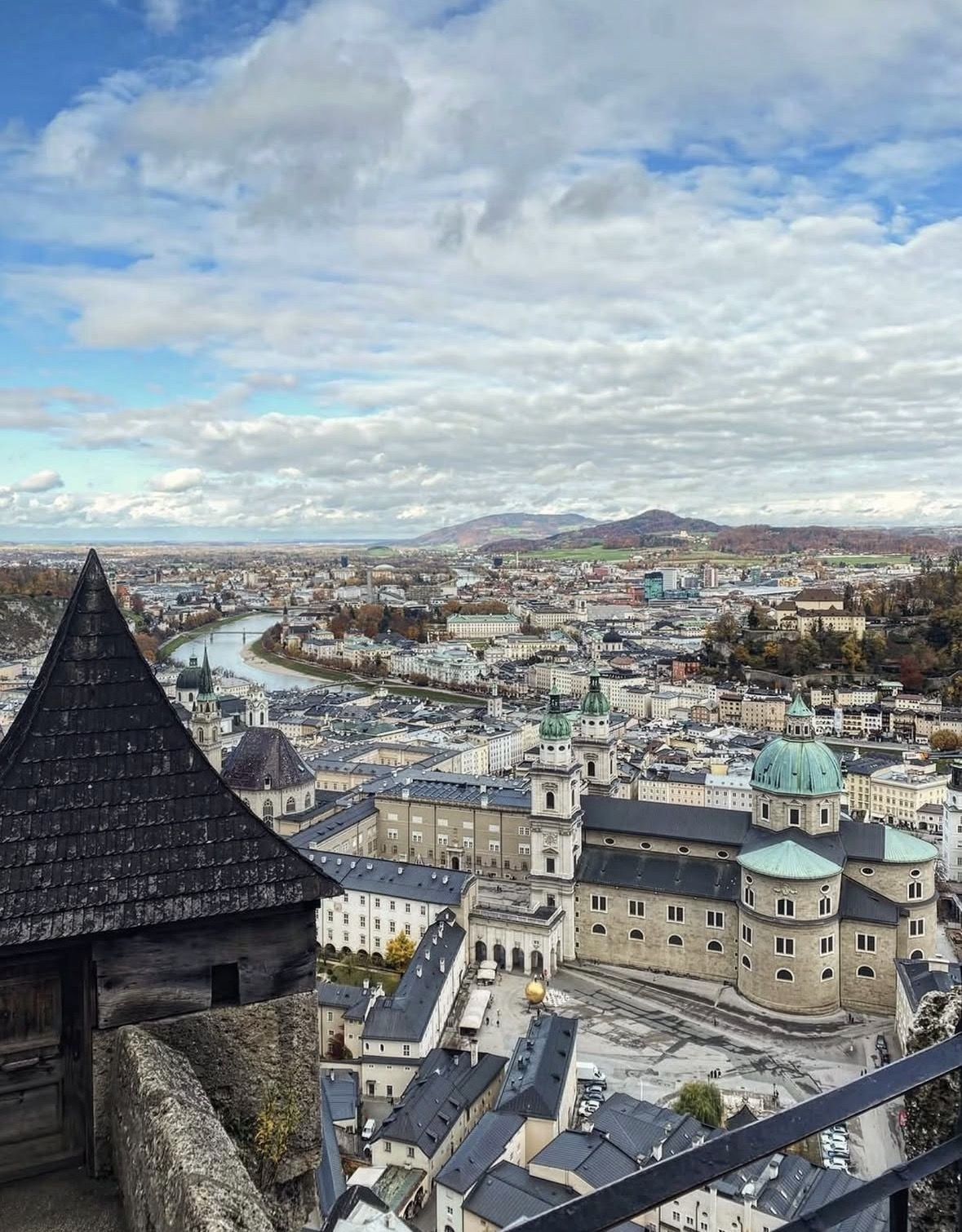
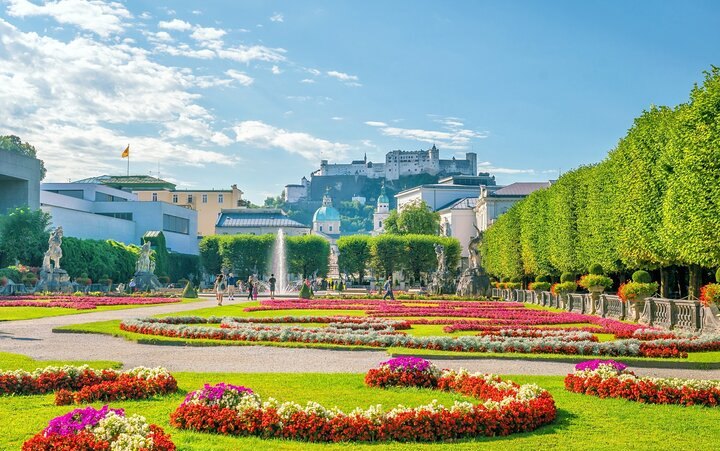
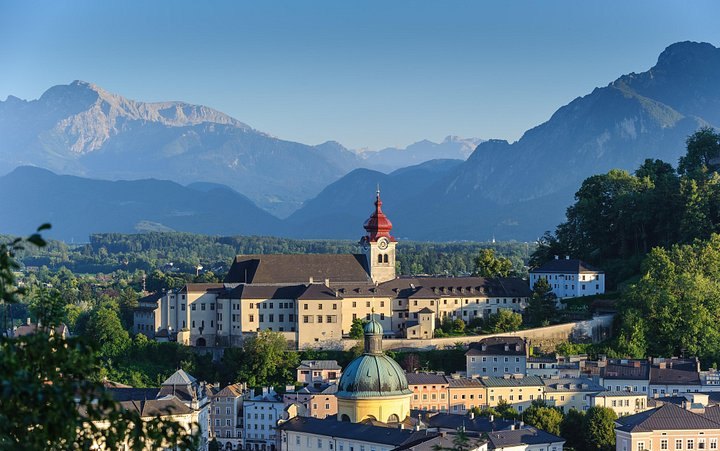
Salzburg's protected centre follows both banks of the Salzach, covers about 236 hectares and takes in roughly 1,000 historic buildings, on the UNESCO list since 1996. Hohensalzburg stands above it, with the funicular climbing to 536 m in 54 seconds and a footpath beside the valley station that takes about 30 minutes. Getreidegasse, the cathedral, Residenzplatz, Nonnberg Abbey and Mirabell Palace all sit inside the same walkable grid, which is why guided walks here are built around 1.5 or 2 hours rather than a whole day.
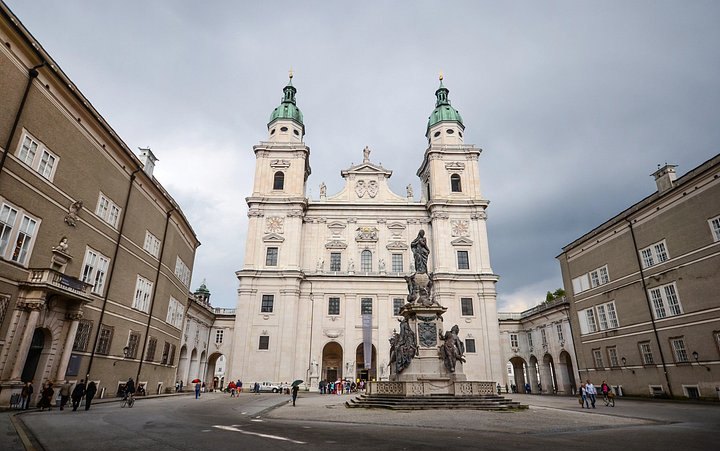
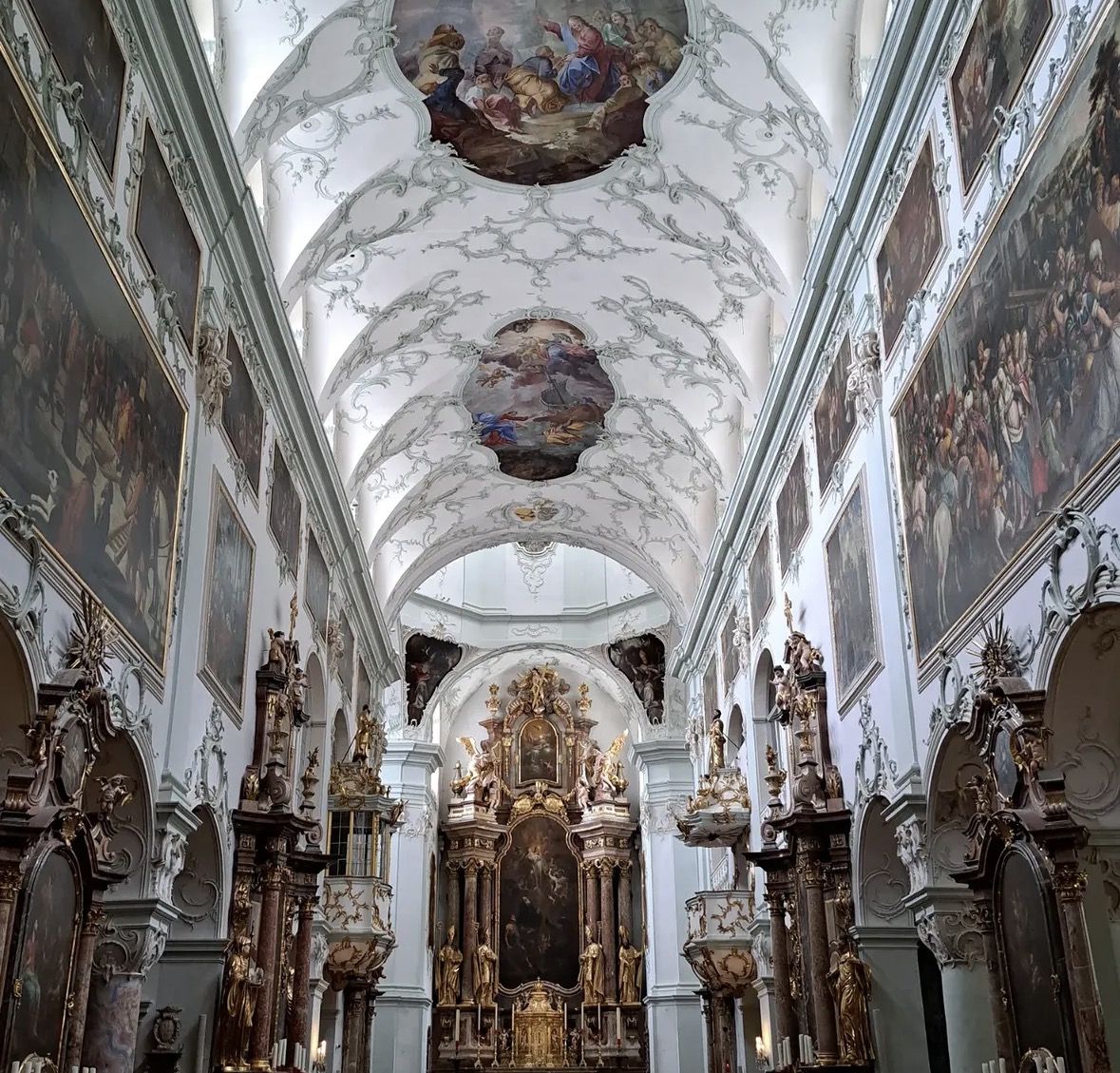
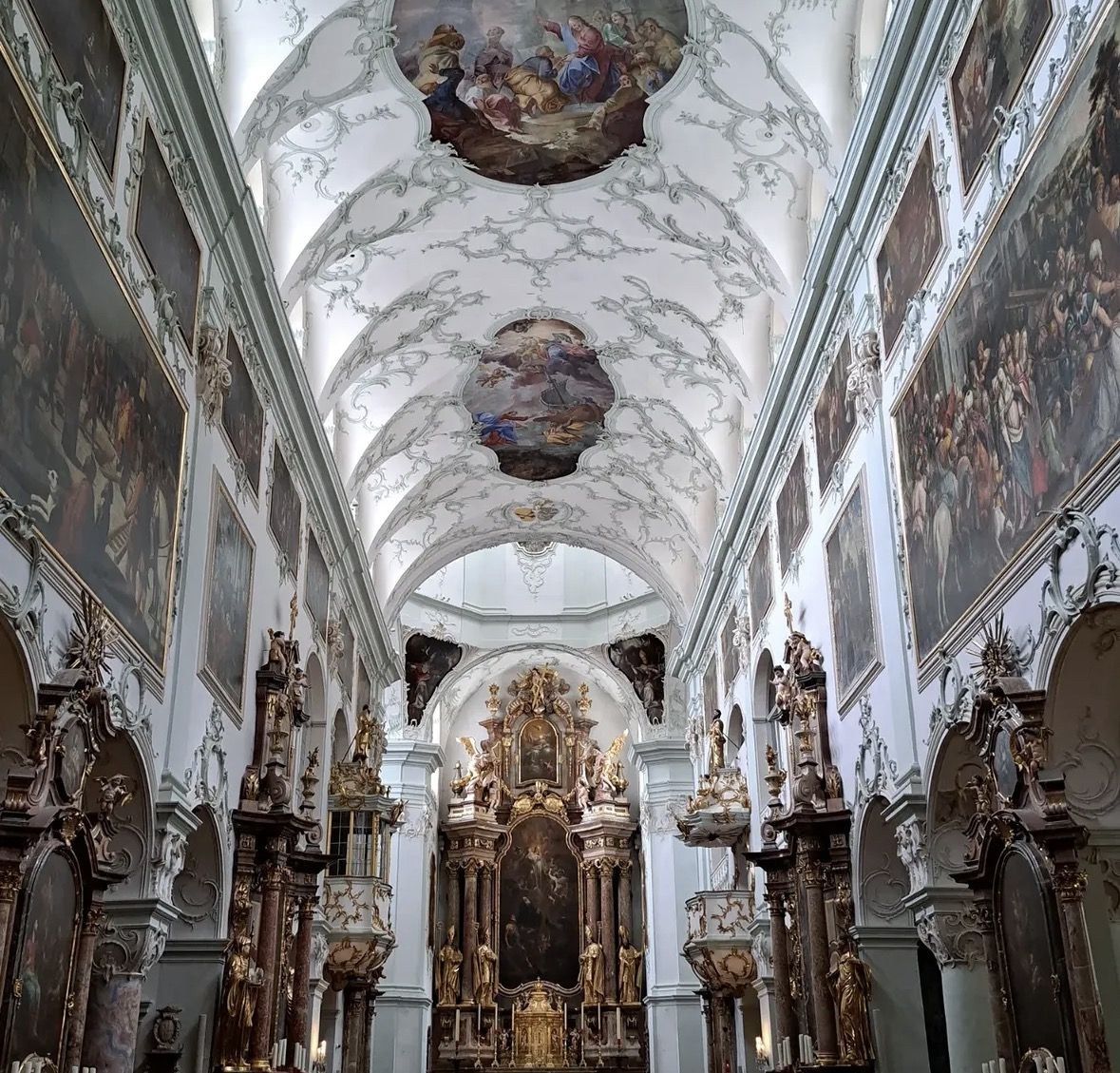
Bishop Virgil's cathedral went up in 767 and was consecrated in 774. Fires in 1167 and 1598 destroyed much of the medieval church, Markus Sittikus commissioned Santino Solari for the early Baroque replacement, and Paris Lodron consecrated it in 1628; a bomb damaged the dome and altar area in 1944 and the building was reconsecrated in 1959. Salt paid for the Baroque city. Celtic miners worked the Dürrnberg from around 600 BCE, mining resumed in the 12th century under the prince-archbishops, and Hallein won a salt monopoly in 1530.
Opening seasons come before anything else in planning. The fortress is open every day of the year, 9:30 to 17:00 from January to April and from October to December, while from May to September the grounds run 8:30 to 20:00 and the indoor museums, State Rooms and Magic Theatre only 9:00 to 19:00. Hellbrunn and its Trick Fountains operate 28 March to 1 November and reopen on 25 March 2027. The Eisriesenwelt at Werfen closes after 1 November. Guided half-days from Mirabellplatz cover the ground that seasons and timetables make awkward.
UNESCO World HeritageSince 1996
Protected Old TownAbout 236 hectares, roughly 1,000 historic buildings
Hohensalzburg Fortress32,000 m², open every day of the year
Festungsbahn funicularClimbs to 536 m in 54 seconds, every 10 minutes
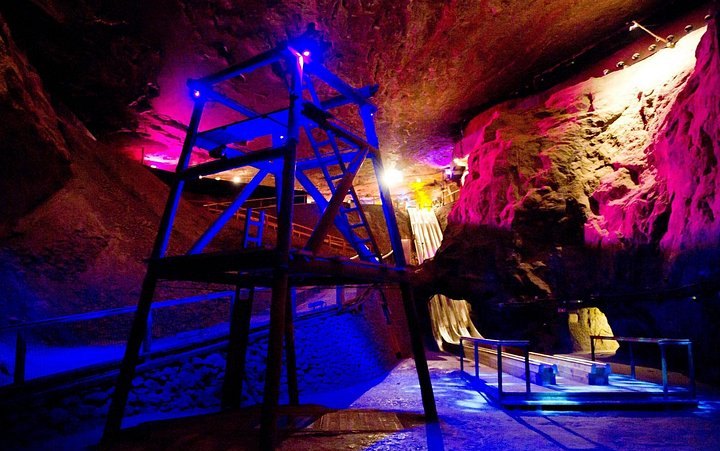
Salzwelten salt mineAbout 19 km from the city, Bad Dürrnberg
Rail from ViennaFastest Railjet Xpress about 2 hours 25 minutes
32,000 m²
Hohensalzburg is a whole hilltop complex
Building on the rock has gone on since the 11th century, and the operator calls Hohensalzburg one of the largest castle complexes in Central Europe. Doors open every day of the year, public holidays included.
767
Salzburg Cathedral has been rebuilt twice
Bishop Virgil's first church was built in 767 and consecrated in 774. Inside the present building are the bronze font of 1311 standing on lions of about 1200 where Mozart was baptised, three bronze doors, seven named bells and seating for about 900.
27 January 1756
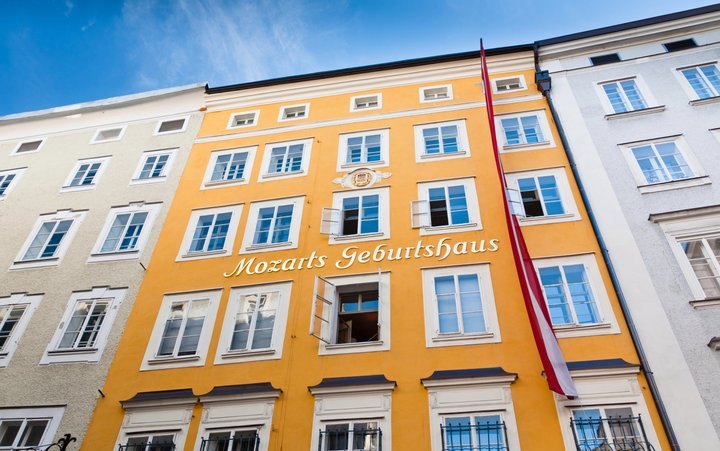
Mozart's Birthplace takes about an hour
Getreidegasse 9 opens daily 09:00 to 17:30, with last admission 30 minutes before closing, and the three floors of exhibition take roughly an hour. The Birthplace is not barrier-free, while the Mozart Residence is wheelchair accessible.
1607
World's oldest show salt mine
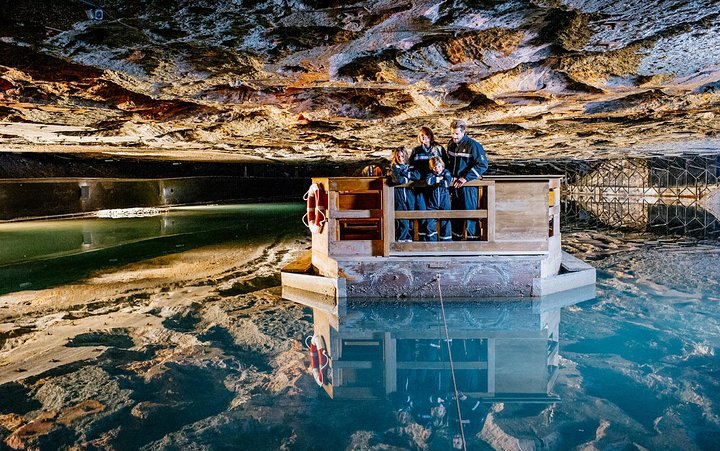
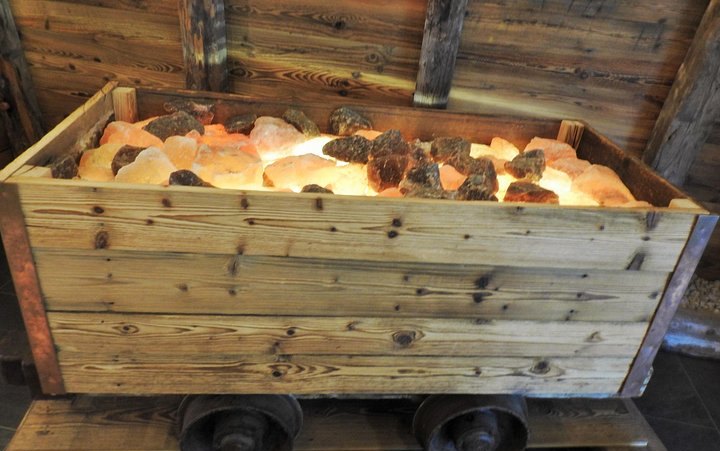
Dürrnberg's mine admitted its first visitors in 1607. Peak output between 1862 and 1971 reached 72,230 tonnes a year, brine and salt production ended on 31 July 1989 after roughly 800 years, the tunnels reopened to visitors in 1994 and audio guides now run in 15 languages.
1,834 m
Eagle's Nest opens for half the year
Kehlsteinhaus on Mount Kehlstein sits at 1,834 m and opens only from mid-May to the end of October, so it cannot form part of a winter itinerary. The Untersbergbahn, by contrast, climbs to 1,776 metres in about 8 minutes on a massif whose summit is 1,852 metres.
1,400 steps
Eisriesenwelt is a physical day out
Inside the cave the guided tour covers about one kilometre with 134 metres of climbing and roughly 1,400 steps, lasts about 75 minutes and needs around three hours in total. Air temperature stays near 0 °C even in summer, photography is not permitted inside, and the cave opens daily only from early May to 1 November.
Time the fortress around its opening hours
Between May and September the grounds are open 8:30 to 20:00 while the museums, State Rooms and Magic Theatre run only 9:00 to 19:00, which leaves the courtyards and bastions quiet at both ends of the day. In the colder months, January to April and October to December, everything closes at 17:00, so arrive at the 9:30 opening.
Walk the Old Town with a licensed guide
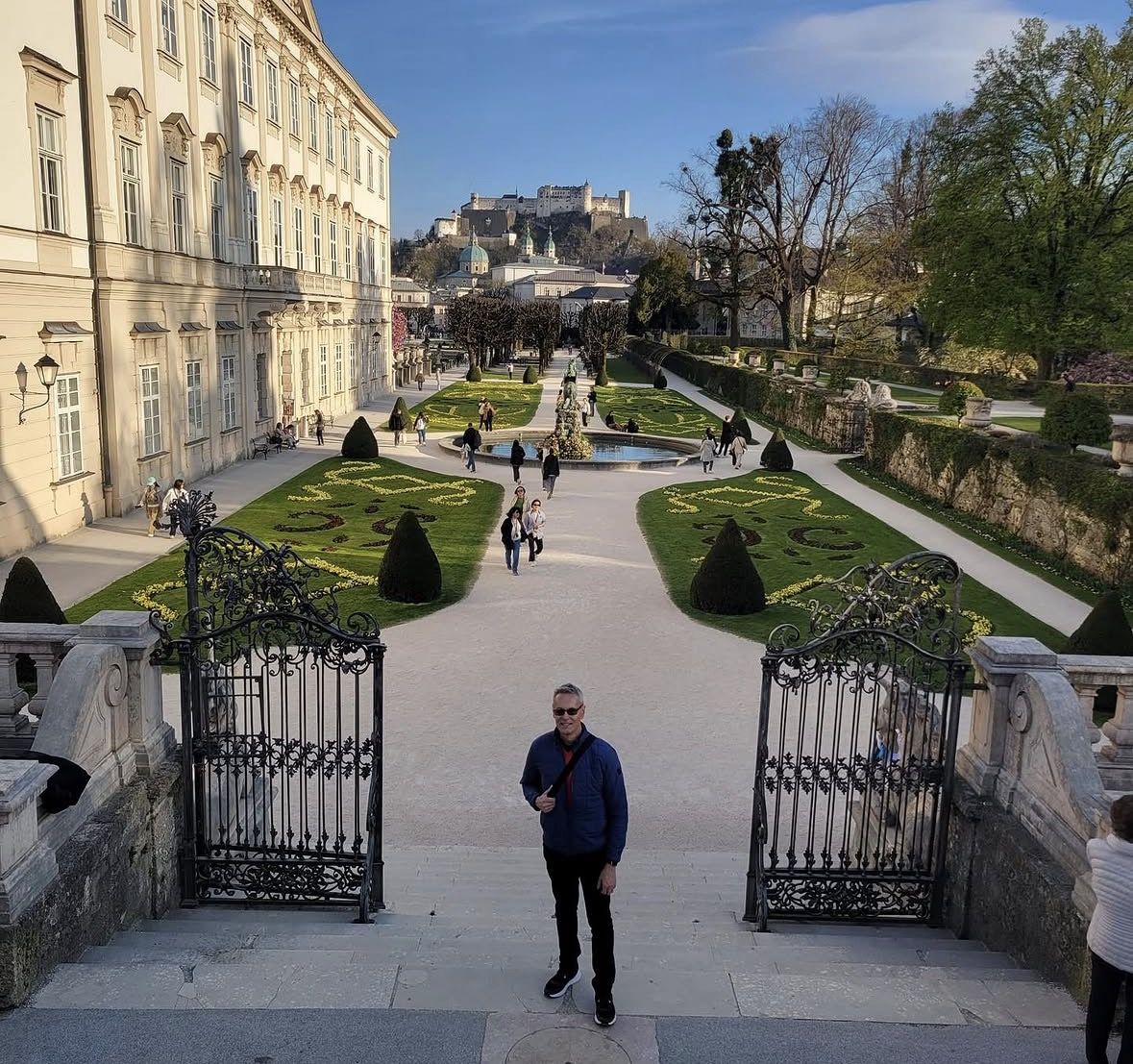
A 1.5-hour guided walk from €9, rated 4.9 ★ (460 reviews), meets at the 'Spirit of Mozart' artwork by Marina Abramovic next to Staatsbruecke. The 2-hour small-group version from €39 adds Mozart and includes entry to the Mirabell Palace Gardens.
Put Mozart's Birthplace in the morning
Getreidegasse 9 opens daily 09:00 to 17:30 with last admission half an hour before closing, and the exhibition takes about an hour. The house is not barrier-free, so parties with wheelchairs should plan the Mozart Residence instead.
Go underground on a 4-hour half-day
Skip-The-Line Salt-Mines and Bavarian Mountains Tour runs 4 hours from €90, rated 4.4 ★ (596 reviews), with a local guide, mine entrance included and transfer by air-conditioned bus; arrive 15 minutes before departure at Mirabellplatz. Salzwelten keeps winter hours of 9:00 to 15:00 from 2 November 2026 to 10 January 2027 and closes entirely from 11 January to 5 February 2027.
See the film locations in one run
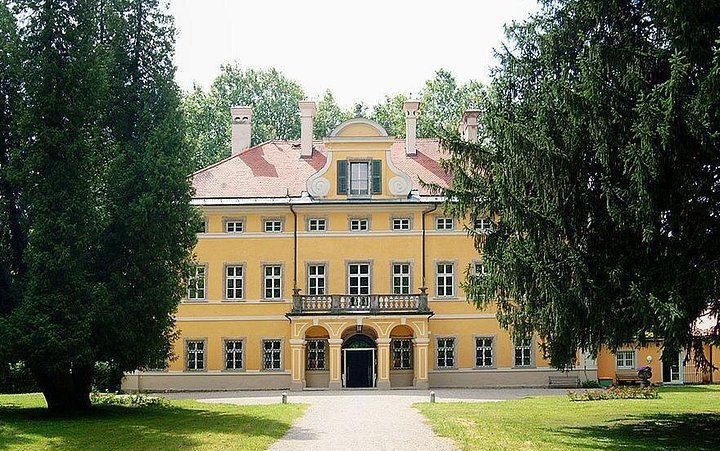
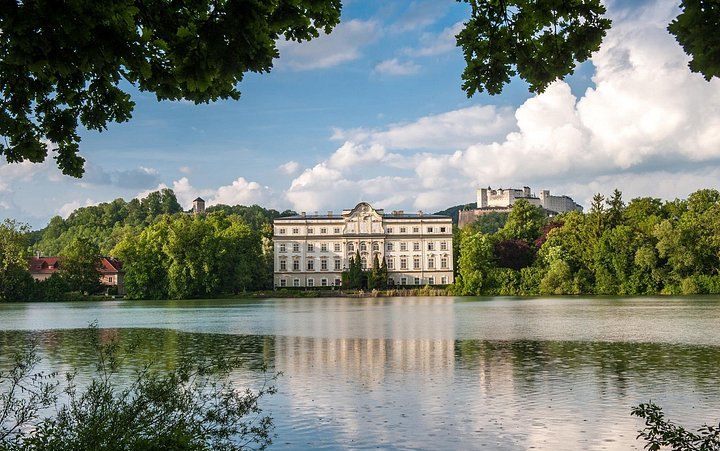
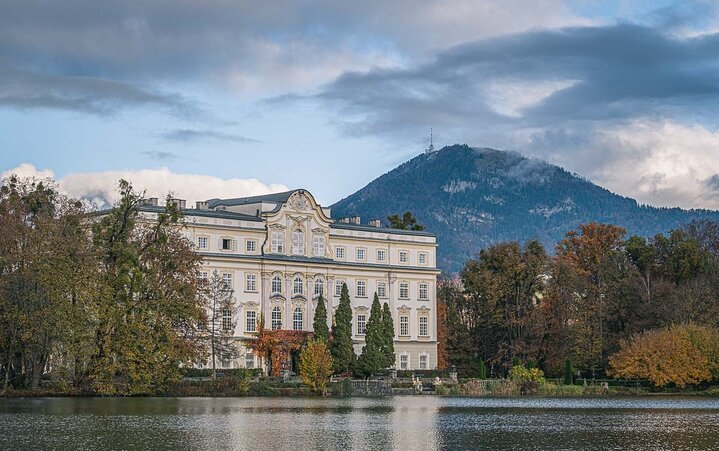
Salzburg tourism lists eight shooting locations in the city, among them Felsenreitschule, Residenzplatz, Karajanplatz with the horse pond, Mirabell Palace and Garden, Leopoldskron, Hellbrunn and St. Peter's Abbey. Frohnburg Palace is run by the University Mozarteum and closed to the public, Nonnberg Abbey itself is closed although its church and cemetery can be visited, and Schloss Anif is private with no tours; the 4-hour tour from €75 strings together what can actually be reached.
Build a winter visit around the market and the indoor circuit
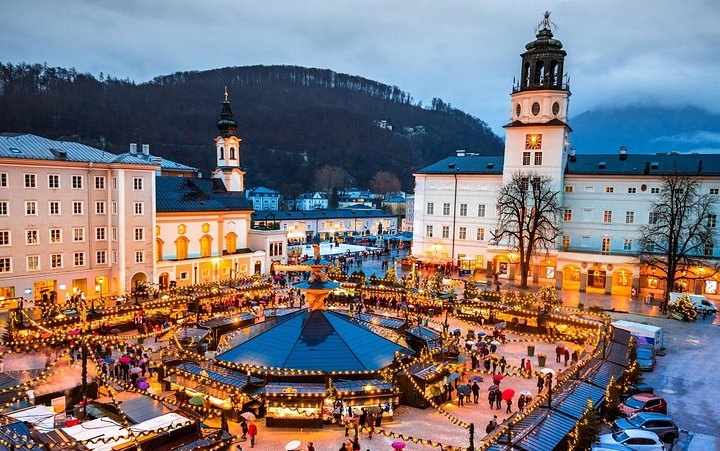
Dom- and Residenzplatz hold the Christkindlmarkt from 19 November 2026 to 1 January 2027, open 10:00 to 20:30 Monday to Thursday, 10:00 to 21:00 Friday, 09:00 to 21:00 Saturday and 09:00 to 20:30 Sunday and holidays. The DomQuartier circuit opens daily except Tuesday 10:00 to 17:00, with the Residenzgalerie closed until autumn 2027.
How a Salzburg-based half-day stacks up against days run out of Hallstatt, Munich and Vienna.
Most travellers reach this corner of the Alps with a fixed base already booked, and that base decides which guided day is realistic. Trains from Munich take from about 1 hour 40 minutes, while Vienna is about 332 km away by road with two Railjet services an hour and the fastest Railjet Xpress at about 2 hours 25 minutes. The table lines up the Salzburg tours on this site against the Munich and Vienna options so you can match the day to where you are sleeping.
Crowds
Price
Best For
What Sets It Apart
★ Salzburg
Sharpest during the Festival, 16 July to 29 August 2027, and across the Christkindlmarkt, 19 November 2026 to 1 January 2027
Guided walks from €9, half-days from €75, private driver-guide from €600
One to three days on foot with half-days out of Mirabellplatz
A 32,000 m² fortress open every day of the year above a 236-hectare Old Town
Hallstatt
Concentrated in a small lakeside village around the middle of the day
Guided full day by coach from €140
A full landscape day away from the city
Entrance fees in the village are optional and not included, and off-season hours decide what opens
Munich
Heaviest in the Bavarian summer break, 2 August to 13 September 2027
Rail day trip with guided city walk from €79
Travellers already based in Bavaria with one spare day
Return train tickets plus a walking tour of the historical centre, meeting at Dachauer Strasse 4
Vienna
Spread across a far bigger city, with the peak felt at the Salzburg end
Long guided day from €125
One free day from the capital, 13 hours door to door
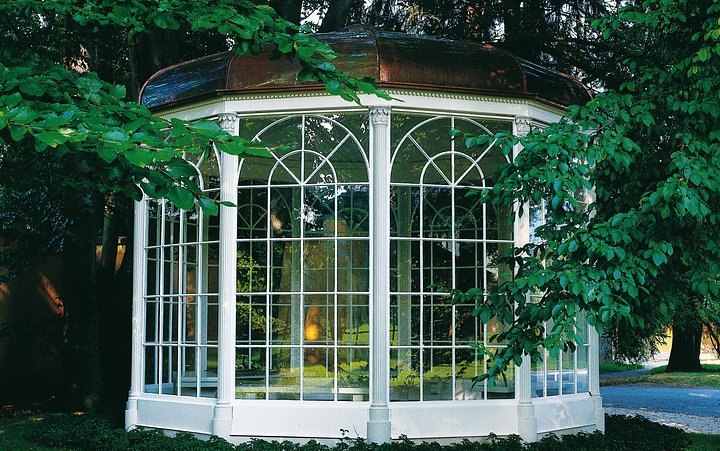
Guided commentary both ways, photo breaks at Mondsee and Wolfgangsee, and the Hellbrunn Park gazebo in summer time
Salzburg wins on density. Nothing else in the region puts a fortress of 32,000 m², the Mozart houses, the cathedral and the festival district inside a 236-hectare centre, with Bad Dürrnberg about 19 km out and the lake district within a 4-hour run. Day trips from Munich and Vienna work, but they spend most of their hours in transit, so sleep in the city if the choice is still open.
Practical info
Everything to know about Salzburg
Arrival, seasons, kit, local detail and the practical cautions, all from the operators' own pages.
How to reach Salzburg and move around once you arrive
By road, Salzburg is reached on the A1 or A10 from inside Austria and the A8 from Germany, crossing at Walserberg; cars and camper vans up to 3.5 t need a valid toll sticker or digital vignette before entering a motorway. Trains from Munich take from about 1 hour 40 minutes, and two ÖBB Railjet services an hour link Vienna with Salzburg Hauptbahnhof, the fastest Railjet Xpress taking about 2 hours 25 minutes via St. Pölten and Linz.
Cars are kept out of the Old Town, and the Neutor tunnel has been shut to motorised traffic since 14 September 2026 for several months. The fortress operator directs drivers to Park & Ride at Messezentrum, off the A1, or Alpenstraße, off the A10 at Salzburg-Süd, then onward by public transport. Trolleybus lines 1, 3, 5, 6 and 25 run from the main station to Rathaus or Ferdinand-Hanusch-Platz, about five minutes' walk from Festungsgasse.
Airport bus line 10 reaches the city centre in about 15 minutes; line 2 reaches the main station in about 23 minutes
Bus line 25, direction Untersbergbahn, serves Hellbrunn in roughly 25 minutes from Rathaus and 30 minutes from the main station
Salzburg Airport sits at the western edge of the city at 430 metres above sea level
An hourly direct Railjet runs from Vienna Airport, from 2 hours 50 minutes
FlixBus operates 29 trips a day from Vienna, first at 02:40 and last at 23:45, setting down at Salzburg South on Hellbrunner Landesstraße
Tour coaches must use the North Bus Terminal on Paris-Lodron-Straße or the South Bus Terminal on Erzabt-Klotz-Straße and book arrival slots online in advance
Overnight guests in Salzburg Land receive a Guest Mobility Ticket with their stay, valid on city and regional buses, S-Bahn and regional trains for the whole visit
Which months work, and what is shut when
Late March to October is when the full range of Salzburg tours and sights is running. Hellbrunn and the Trick Fountains operate daily from 28 March to 1 November 2026 and reopen on 25 March 2027, with hours stretching from 09:30 to 17:30 in late March and April to 09:30 to 19:00 in July and August. The Salzach boat season runs 26 March to 1 November 2026 and 6 March to 1 November 2027. The Eisriesenwelt and the Eagle's Nest both close for winter.
November to March narrows the choice rather than ending it. The fortress stays open every day, 9:30 to 17:00, but the funicular is shut for maintenance from 9 to 13 November 2026, when the museums and indoor areas close too and only the footpath and outdoor areas remain; the second closure, 11 January to 14 March 2027, leaves the museums open and you reach the fortress on foot. Salzwelten keeps winter hours of 9:00 to 15:00 until 10 January 2027.
Salzwelten Salzburg closes entirely from 11 January to 5 February 2027
Untersberg's Hochalm and the mountain-station restaurant are closed for maintenance from 2 November to 13 December 2026
Eisriesenwelt opens daily only from early May to 1 November; the Eagle's Nest only from mid-May to the end of October
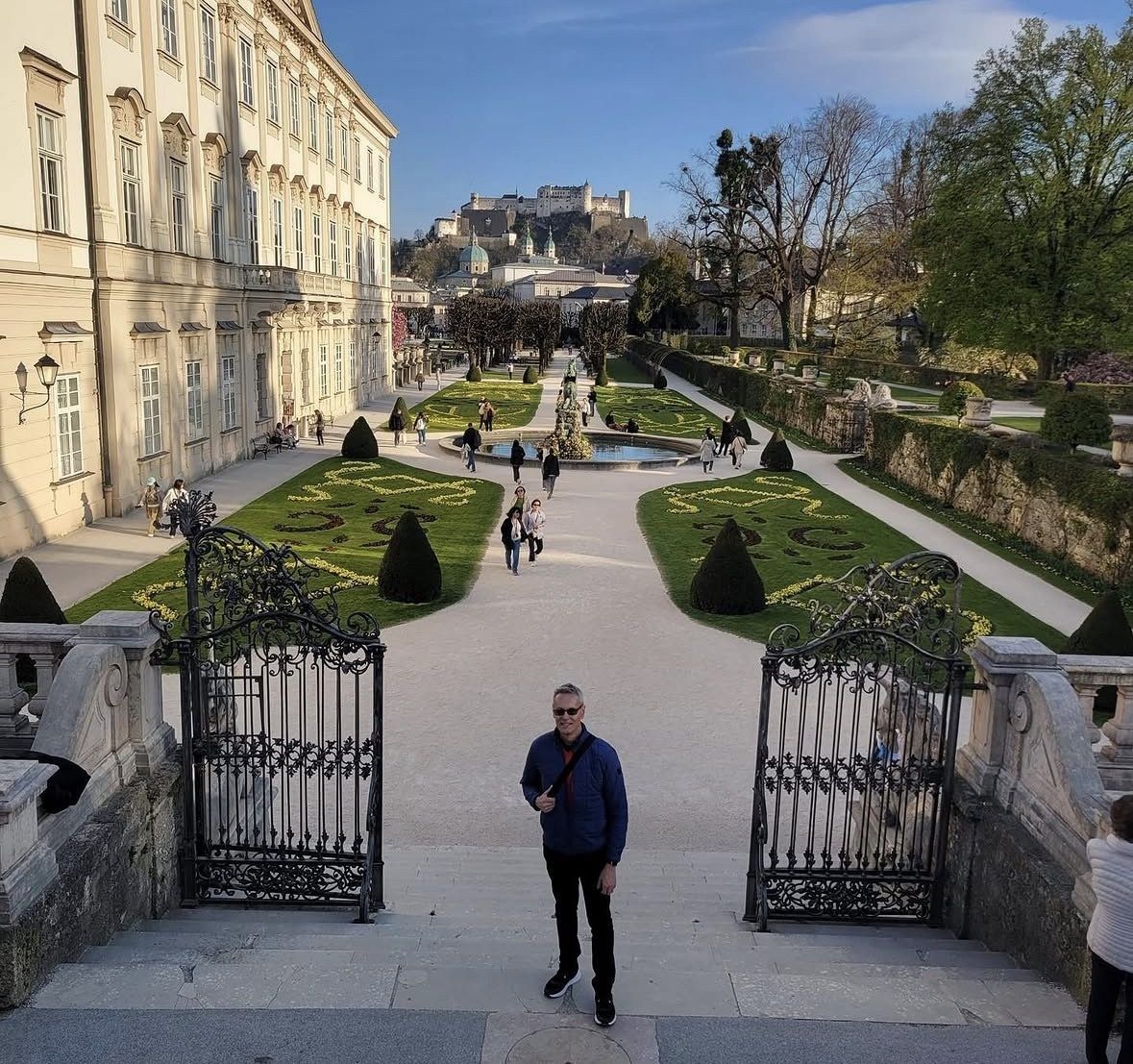
DomQuartier's Residenzgalerie stays closed until autumn 2027; the Mirabell Hedge Theatre and Dwarf Garden close in winter and the Orangerie is closed for redesign until December 2026
Salzburg Festival's 2027 summer season runs 16 July to 29 August 2027, the city's biggest peak, with the Whitsun Festival 14 to 17 May 2027; the 2026 edition held 171 performances on 45 days at 19 venues
Austrian school breaks fill the city: 27 to 31 October 2026, 24 December 2026 to 6 January 2027, Salzburg's semester break 15 to 20 February 2027, Easter 20 to 29 March 2027 and summer 10 July to 12 September 2027
Bavarian holidays add pressure: summer 2 August to 13 September 2027, All Saints days 2 to 6 November 2026, Christmas 24 December 2026 to 8 January 2027 and Whitsun 18 to 28 May 2027
What to bring for the fortress, the mine and the cave
Footwear decides most of the day here. The path up to Hohensalzburg starts beside the funicular valley station, takes about 30 minutes, is steep and has steps, and the operator states it is unsuitable for prams and not barrier-free. The Eisriesenwelt tour involves roughly 1,400 steps and 134 metres of climbing inside the cave over about 75 minutes, with a 20-minute walk up, a 3-minute cable car ride of about 500 m and a further 20-minute walk.
Pack as if for two climates on the same day. Inside the ice cave the temperature stays around 0 °C even in summer, so the operator advises warm layers, a hat and gloves regardless of the forecast in the valley. Underground at Bad Dürrnberg and on the Untersberg, which the cable car climbs to 1,776 metres in about 8 minutes, the same layering applies, while the Old Town in July and August is squarely a shorts-and-water-bottle proposition.
Shoes with grip for the fortress footpath, which is steep, stepped and not barrier-free
Warm layers, a hat and gloves for the Eisriesenwelt, where the air sits near 0 °C in any season
A camera you are happy to leave in a bag: photography and filming are not permitted inside the ice cave
No drones for the fortress, where they are banned; indoor photography is allowed without flash for private use only
A muzzle and lead if you bring a dog on the funicular, which they may ride; museums, the Panorama Tour and the Princes' Rooms are off limits even in a carrier
Cash for the Werfen bus, which leaves the station at 08:26, 10:26, 12:26 and 14:26 and takes cash only on board
ID for the Bavarian legs, since the mountains and the Eagle's Nest lie across the German border
Something warmer than city clothes for the Untersberg summit, where the massif tops out at 1,852 metres
Local detail that changes how a day runs
Closing time at Salzwelten marks the start of the last guided tour rather than the moment the doors shut, so in the winter schedule of 9:00 to 15:00 the final tour begins at 15:00. Same logic at the Eisriesenwelt, where the ticket office opens 08:30 to 14:00, the cable car runs 08:45 to 14:20 and tours depart every 30 minutes from 09:30 to 14:45. Use the last departure time as your deadline.
Indoors, the calendar is as uneven as the seasons. Salzburg Cathedral opens Monday to Saturday 9:00 to 18:00 and Sunday and holidays 13:00 to 18:00 in March to July, September, October and December, shortening to 17:00 in January, February and November, and it cannot be viewed during services or during 'Musik zu Mittag', the organ music played Monday to Saturday 12:00 to 12:30. Mirabell's Marble Hall opens Monday, Wednesday and Thursday 08:00 to 16:00 and Tuesday and Friday 13:00 to 16:00.
Mirabell Palace itself opens Monday to Saturday about 08:00 to 18:00 and is closed Sundays and holidays; other rooms are in use by the city administration
Cathedral crypt hours are Monday to Saturday 10:00 to 17:00 and Sunday and holidays 13:00 to 17:00; July and August hours shift around Jedermann rehearsals and performances
Public guided cathedral tours run at 14:00 on weekends and holidays, last about 40 minutes in German and are capped at 25 people
DomQuartier extends to 10:00 to 18:00 daily in July and August, with last admission one hour before closing and closure on 24 December
Christmas market hours drop to 09:00 to 15:00 on 24 December and 11:00 to 18:00 on 25 and 26 December
Salzburg Guide Service, state-certified, offers around 80 different tours in 18 languages from Linzer Gasse 21/3
Tourist Info is at Mozartplatz 5, 5020 Salzburg, telephone +43 662 88987 330
Health, access and the cautions worth reading twice
Physical demands are the main health consideration here. The fortress footpath climbs steeply with steps; the ice cave adds about 1,400 steps and 134 metres of internal climbing at temperatures near 0 °C, and the whole Eisriesenwelt visit needs roughly three hours from the car park. Anyone with a heart or breathing condition should weigh the Untersbergbahn ascent to 1,776 metres and the cave tour separately rather than stacking both into one day.
Access varies building by building, and the official pages are specific about it. Mozart's Birthplace is not barrier-free while the Mozart Residence is wheelchair accessible; the cathedral is barrier-free except for the crypt and has an induction hearing loop; Mirabell Palace and Gardens are barrier-free, with induction loops in the Marble Hall and the Pegasus Room. Festival district tours are explicitly not barrier-free, and the fortress footpath is neither barrier-free nor suitable for prams.
Tourist board guided tours are run for visitors with restricted mobility, for blind and visually impaired visitors, in easy language and with a sign-language interpreter
Hallein and the Dürrnberg mine lie about 19 km from the city at Ramsaustraße 3, with on-site parking and e-charging
Walkers can reach the Eisriesenwelt cable car from Werfen or Tenneck on signposted trails in about 1.5 to 2 hours; drivers use a 5 km asphalt road from Werfen
On rainy July and August days the Werfen car park fills and a shuttle runs from the village instead
Carry ID on the salt mine and Bavarian mountains run and on any Eagle's Nest trip, which cross into Germany at Walserberg
Dogs on a lead are welcome inside the Eisriesenwelt but barred from the fortress museums and indoor areas
Check the operator's own page on the morning of your visit: winter hours at the Untersbergbahn and at the fortress change at short notice
Location
Find Salzburg
Most tours leave from the bus terminal at Mirabellplatz, corner Hubert Sattler Gasse 1, in front of St. Andrew church, 5020 Salzburg, Austria.
Plan your visit
Practical information for a Salzburg visit
Opening seasons, fortress access, transport from the airport and station, crowd peaks and the sights worth building a day around.
Straight answers to the questions that decide what you book in Salzburg, with dates and opening seasons checked on 2 November 2026.
The half-day coach run to the salt mine keeps going through the cold months, and so do the Old Town walks, but several of the big summer draws are shut. Hellbrunn's Trick Fountains closed on 1 November 2026 and reopen on 25 March 2027, the Salzach boat season ended on 1 November and restarts on 6 March 2027, the Eisriesenwelt ice cave at Werfen opens only early May to 1 November, and the Eagle's Nest on Mount Kehlstein at 1,834 m runs only mid-May to the end of October. Build a November visit around Hohensalzburg, the indoor museums and the Christkindlmarkt on Dom- and Residenzplatz, which runs from 19 November 2026 to 1 January 2027. Check the operator's page on the day you travel, since winter schedules shift.
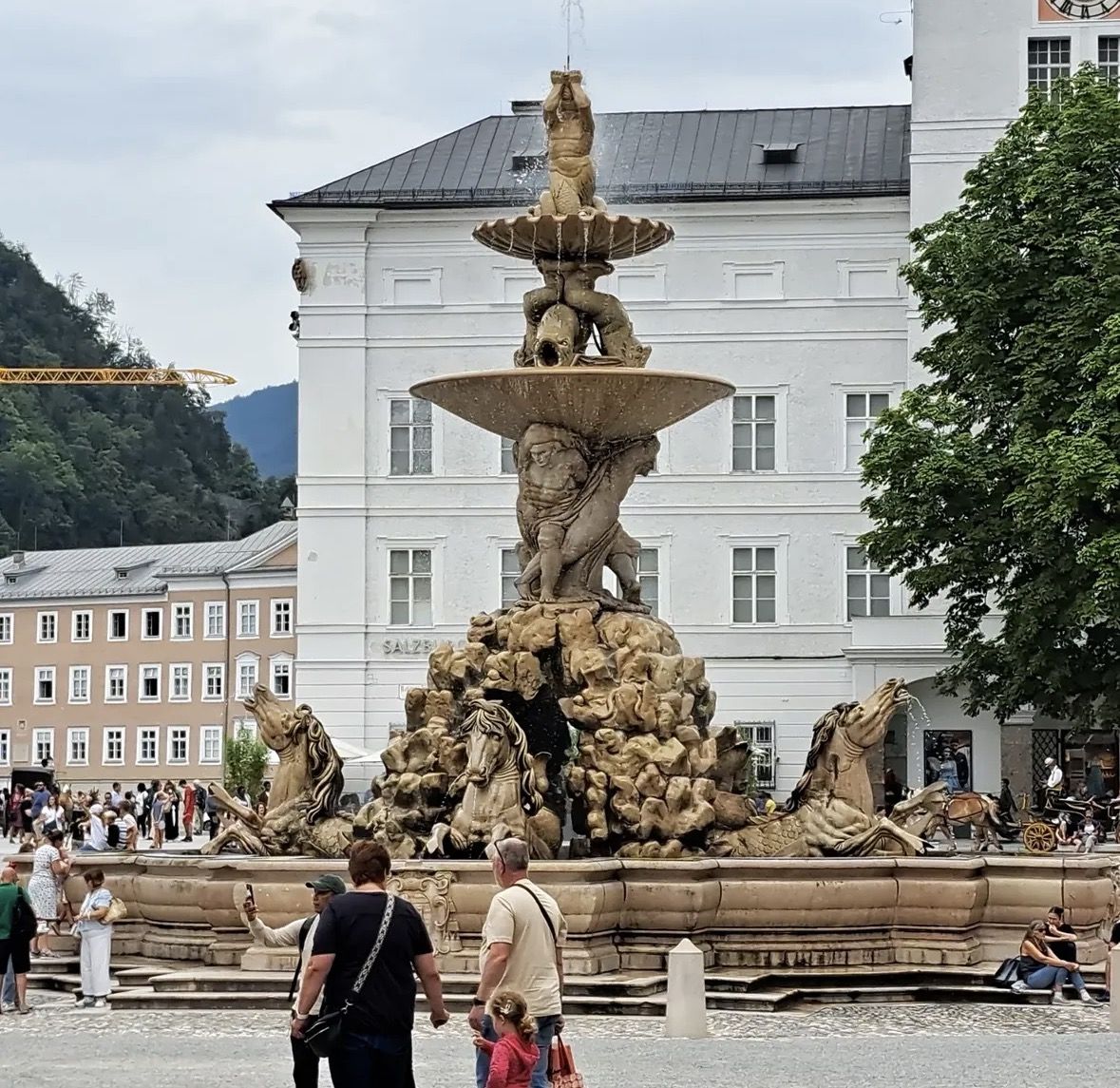
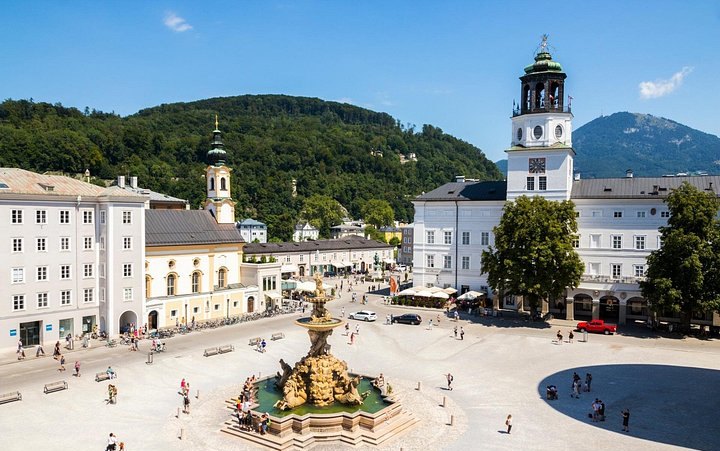
Salzburg's protected centre is compact, roughly 236 hectares with about 1,000 historic buildings along both banks of the Salzach, so a short walk covers a lot of ground. A licensed guide still earns their keep on the layers you cannot see: that Residenzplatz required the demolition of 55 medieval buildings and follows Mannerist plans by Vincenzo Scamozzi, or that the bronze font of 1311 inside the cathedral stands on lions of about 1200 and is where Mozart was baptised. Take the 1.5-hour Oldtown walk from €9, rated 4.9 ★ (460 reviews), as the lightest way to get oriented before you wander on your own. If you want Mozart and the Mirabell Gardens included, the 2-hour small-group walk from €39 covers both.
Take the funicular: it climbs to 536 m, departs every 10 minutes, takes 54 seconds and carries up to 55 passengers, which settles the question if you have a pram, small children or any mobility limit. The walking path starts beside the valley station, takes about 30 minutes, is steep, has steps and is not barrier-free. One date needs planning around: the funicular is shut for maintenance from 9 to 13 November 2026, and in that window the museums, State Rooms and indoor areas close too, leaving only the outdoor areas reached on foot. The longer closure from 11 January to 14 March 2027 is easier, because the museums stay open and you simply walk up.
From May to September the grounds are open 8:30 AM to 8:00 PM while the museums, State Rooms and Magic Theatre run only 9:00 AM to 7:00 PM, which gives you half an hour in the morning and a full hour in the evening with the courtyards and bastions largely to yourself. From January to April and October to December everything runs 9:30 AM to 5:00 PM, so the first hour after opening is the only quiet one. Hohensalzburg covers 32,000 square metres and its operator calls it one of the largest castle complexes in Central Europe, so allow more time than you think. It is open every day of the year, including public holidays.
Yes, and the salt mines and Bavarian mountains half-day shows how it works: 4 hours from the Mirabellplatz bus terminal, corner Hubert Sattler Gasse 1, in front of St. Andrew church, from €90 and rated 4.4 ★ (596 reviews). A local guide travels with the group in an air-conditioned bus, the mine entrance is included, and the time divides into 90 minutes inside the Berchtesgaden salt mine, on foot, by mini-train and by boat, and 50 minutes in Berchtesgaden itself. Be at the terminal 15 minutes before departure. Hallstatt needs more time: the trips there on this site run 6 to 10 hours.
Pick the Original Sound of Music Tour in Salzburg, 4 hours from €75 and rated 4.7 ★ (6850 reviews), as the default: an air-conditioned vehicle, a live guide, and both city and lake-district locations in one run. Families or small parties who want hotel pickup inside the city, a private Mercedes E 220 or luxury minibus and the option of a 1-hour Edelweiss apple strudel cooking class should look at the private version, 4 hours from €600, rated 4.7 ★ (338 reviews). Cyclists have the 2.5-hour Lonely Goatherd Bike Tour from €30, rated 4.9 ★ (18 reviews), with the bicycle included, meeting next to Unipark in Nonntal about 10 minutes' walk from the Cathedral. If you are based in Vienna, the 13-hour Sound of Movies day from €125 is the one-day option, with photo breaks at Mondsee and Wolfgangsee.
No, and this surprises people. Salzburg tourism lists eight shooting locations inside the city: Felsenreitschule, Nonnberg Abbey, Residenzplatz, Karajanplatz with the horse pond, Mirabell Palace and Garden, Leopoldskron Palace, Hellbrunn Palace and St. Peter's Abbey. Frohnburg Palace, used as the Trapp villa exterior, is operated by the University Mozarteum and closed to the public; Nonnberg Abbey itself is closed, although its church and cemetery can be visited; Schloss Anif is privately owned with no tours. Leopoldskron, a Rococo palace of 1731, is now a hotel run by Salzburg Global Seminar, and the gazebo was reconstructed near Hellbrunn's water features, which the Vienna tour includes in summer time.
Local guide, air-conditioned bus and the mine entrance fee included: the Skip-The-Line Salt-Mines and Bavarian Mountains Tour from Salzburg runs 4 hours from €90, rated 4.4 ★ (596 reviews), and it may be operated in combination with another Bavarian Mountain tour. The mine sits at Ramsaustrasse 3, Bad Duerrnberg, about 19 km from the city. Timing matters in winter: Salzwelten Salzburg runs 9:00-15:00 from 2 November 2026 to 10 January 2027, and closes entirely from 11 January to 5 February 2027. The history is worth knowing before you go down, since Celtic miners worked the Duerrnberg from around 600 BCE and the mine admitted its first visitors in 1607, making it the world's oldest show salt mine.
Do not try to drive into the Old Town, which is closed to cars, and the situation has tightened further since 14 September 2026, when the Neutor tunnel shut to motorised traffic for several months. The fortress operator sends drivers to Park & Ride at Messezentrum, from the A1 exit, or Alpenstrasse, from the A10 Salzburg-Sued exit, then onward by public transport. Trolleybus lines 1, 3, 5, 6 and 25 run from the main station into the centre, with Rathaus or Ferdinand-Hanusch-Platz about five minutes' walk from Festungsgasse. From Salzburg Airport, bus line 10 reaches the centre in about 15 minutes and line 2 reaches the main station in about 23 minutes.
Festival weeks are the sharpest peak: the 2026 edition ran 171 performances on 45 days at 19 venues, and the 2027 summer season runs 16 July to 29 August 2027, with the Whitsun Festival 14 to 17 May 2027. School breaks stack on top, including Bavarian summer from 2 August to 13 September 2027 and Salzburg's own summer holidays from 10 July to 12 September 2027. Book the Sound of Music departure early in those weeks and in the Christmas market period, which runs 19 November 2026 to 1 January 2027 with hours of 10:00-20:30 Monday to Thursday, 10:00-21:00 Friday, 09:00-21:00 Saturday and 09:00-20:30 Sunday and holidays. Late autumn outside the market dates and the weeks after Easter are the calmest times to take any of the guided options.
Bishop Virgil's cathedral was built in 767 and consecrated in 774, and fires in 1167 and 1598 cleared the way for Santino Solari's Baroque church, consecrated by Paris Lodron in 1628. The money came from underground: Celtic miners worked the Dürrnberg from around 600 BCE, and Hallein's salt monopoly of 1530 funded the squares and palaces visitors walk through today.